

What kind of packaging is best for handmade soap?
Aug 04, 2026
When it comes to handmade soap, the right packaging is not just about aesthetics; it's a crucial element that can significantly impact the product's quality, shelf life, and marketability. As a handmade soap supplier, I've delved deep into the world of soap packaging to find the best solutions for our products. In this blog, I'll share my insights on what kind of packaging is best for handmade soap.
Understanding the Needs of Handmade Soap
Handmade soap is a delicate product that requires special care in packaging. It is made from natural ingredients, which can be sensitive to environmental factors such as air, moisture, and light. These factors can cause the soap to dry out, develop mold, or lose its fragrance over time. Therefore, the primary goal of soap packaging is to protect the soap from these elements while also providing an appealing presentation.
Types of Packaging Materials
1. Paper Packaging
Paper is a popular choice for handmade soap packaging due to its affordability, versatility, and eco - friendliness. It can be easily customized with various designs, colors, and prints to showcase the unique features of the soap. Kraft paper, in particular, is a great option as it has a natural and rustic look that complements the handmade nature of the soap.
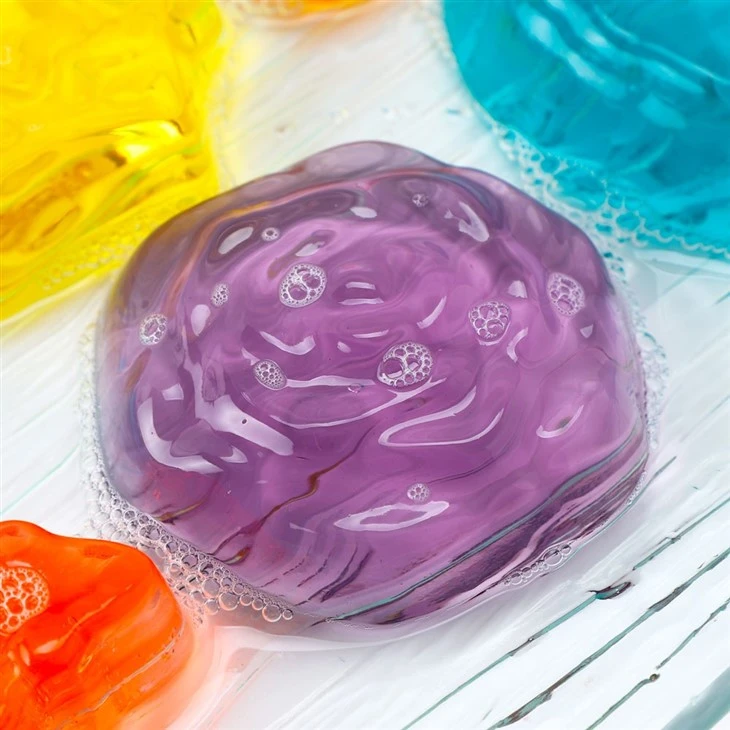
However, paper alone may not provide sufficient protection against moisture. To address this issue, we can use waxed paper or line the paper with a thin layer of plastic. This combination offers a balance between protection and aesthetics. For example, our Shower Jelly Soap is often packaged in waxed paper with a beautiful hand - drawn label, which not only protects the soap but also gives it an artisanal touch.
2. Plastic Packaging
Plastic is known for its excellent barrier properties, which make it ideal for protecting handmade soap from moisture and air. Clear plastic containers or bags allow customers to see the soap inside, which can be a great marketing tool. They also come in various shapes and sizes, providing flexibility in packaging design.
There are different types of plastics, such as PET (polyethylene terephthalate) and HDPE (high - density polyethylene). PET is commonly used for clear containers, while HDPE is more durable and suitable for long - term storage. However, plastic has a negative environmental impact, so it's important to use it responsibly. We often use recyclable plastic for our Vitamin C Handmade Soap to minimize our ecological footprint.
3. Glass Packaging
Glass is a premium packaging material that offers superior protection and a luxurious look. It is impermeable to air and moisture, ensuring the soap's quality and fragrance are preserved for a long time. Glass jars or bottles can be reused, making them an eco - friendly option.
The main drawback of glass is its weight and fragility. It requires careful handling during transportation and storage. We use glass containers for our high - end soaps, such as our Rice Milk Soap Bar, to give them a high - end and elegant appearance.
Considerations for Packaging Design
1. Branding
Packaging is an important part of branding. It should reflect the brand's identity, values, and personality. The design elements, such as colors, fonts, and logos, should be consistent with the brand image. For example, if our brand is focused on natural and organic products, we might use earthy colors and simple, hand - drawn illustrations on the packaging.
2. Functionality
The packaging should be easy to open and close, especially for customers who will be using the soap regularly. It should also be easy to stack and store, which is important for both retailers and consumers. Additionally, the packaging should provide enough space for product information, such as ingredients, usage instructions, and warnings.
3. Sustainability
In today's market, consumers are increasingly concerned about the environmental impact of products. Therefore, using sustainable packaging materials is not only good for the planet but also a selling point for our handmade soaps. We can use recycled materials, biodegradable plastics, or compostable paper to reduce our environmental footprint.
Case Studies
Let's take a look at how different packaging solutions have worked for our products.
For our Shower Jelly Soap, the waxed paper packaging has been a great success. It protects the jelly - like texture of the soap from drying out while also giving it a unique and eye - catching appearance. The hand - drawn label on the paper adds a personal touch, which resonates well with our customers.
Our Vitamin C Handmade Soap is packaged in recyclable plastic containers. The clear plastic allows customers to see the bright color of the soap, which is a visual representation of the vitamin C content. The plastic also provides a good barrier against air and moisture, ensuring the soap's freshness.
The Rice Milk Soap Bar, on the other hand, is presented in a glass jar. The glass not only protects the soap but also gives it a high - end and luxurious feel. The jar can be reused by customers, which aligns with our commitment to sustainability.
Conclusion
In conclusion, there is no one - size - fits - all solution when it comes to packaging handmade soap. The best packaging depends on various factors, including the type of soap, the target market, and the brand's values. Paper, plastic, and glass all have their advantages and disadvantages, and a combination of these materials may be the most effective approach.
As a handmade soap supplier, we are constantly exploring new packaging options to ensure the best protection and presentation for our products. We believe that the right packaging can enhance the overall customer experience and help our products stand out in the market.
If you are interested in purchasing our handmade soaps or have any questions about our packaging, please feel free to contact us for a procurement discussion. We look forward to working with you to meet your soap needs.

References
- "Packaging for Handmade Soap: A Guide to Choosing the Right Materials" by Soapmaking Magazine
- "Sustainable Packaging Solutions for the Cosmetics Industry" by Green Packaging Journal
- "The Impact of Packaging Design on Consumer Perception of Handmade Products" by Journal of Product Design and Marketing