

What is the pH level of DIY soap?
Jul 06, 2026
The pH level of DIY soap is a crucial factor that significantly affects both the quality of the soap and its impact on the skin. As a DIY soap supplier, understanding and managing the pH level is essential for creating high - quality products that are gentle and effective.
Understanding pH
pH is a measure of the acidity or alkalinity of a solution. It is measured on a scale from 0 to 14, where 7 is considered neutral. Values below 7 indicate acidity, and values above 7 indicate alkalinity. The human skin has a natural pH level that typically ranges from 4.5 to 7.0, with an average around 5.5. This slightly acidic environment, known as the acid mantle, acts as a protective barrier against bacteria, fungi, and other harmful microorganisms.

pH in DIY Soap
When making DIY soap, the initial reaction between fats or oils and an alkali (usually sodium hydroxide for bar soap or potassium hydroxide for liquid soap) is called saponification. During this process, the fats and oils react with the alkali to form soap and glycerin. The alkali used in soap - making is highly alkaline, with a pH well above 10.
In the early stages of saponification, the soap mixture has a very high pH. As the reaction progresses, the pH gradually decreases. However, if the saponification process is not complete, the soap may still have a high pH, which can be harsh on the skin.
Ideal pH for DIY Soap
The ideal pH for DIY soap should be close to the natural pH of the skin to ensure that it is gentle and does not disrupt the skin's acid mantle. A pH range of 7 - 9 is generally considered suitable for most skin types. Soaps with a pH within this range are less likely to cause skin irritation, dryness, or other adverse reactions.
Factors Affecting the pH of DIY Soap
- Type of Fats and Oils: Different fats and oils have different saponification values, which can affect the final pH of the soap. For example, oils high in unsaturated fatty acids, such as olive oil, tend to produce a milder soap with a lower pH compared to oils high in saturated fatty acids.
- Amount of Alkali: The amount of alkali used in the soap - making process is a critical factor. If too much alkali is used, the soap will have a higher pH. It is essential to calculate the correct amount of alkali based on the type and quantity of fats and oils used.
- Saponification Time: Allowing sufficient time for the saponification process to complete is crucial. Incomplete saponification can result in a soap with a higher pH. Most soaps require a curing period of several weeks to ensure that the saponification reaction is fully completed.
- Additives: The addition of certain substances, such as essential oils, herbs, or fruit extracts, can also affect the pH of the soap. Some additives may be acidic or alkaline, which can alter the overall pH of the soap.
Testing the pH of DIY Soap
To ensure that your DIY soap has the appropriate pH level, it is important to test it. There are several methods for testing the pH of soap:
- pH Strips: pH strips are a simple and inexpensive way to test the pH of soap. Dip the strip into a solution made by dissolving a small piece of soap in distilled water, and then compare the color of the strip to the color chart provided with the strips.
- pH Meter: A pH meter is a more accurate way to measure the pH of soap. It provides a digital readout of the pH value. However, pH meters are more expensive than pH strips and require proper calibration.
Maintaining the Right pH in DIY Soap
As a DIY soap supplier, maintaining the right pH in your products is essential for customer satisfaction. Here are some tips to help you achieve the ideal pH:
- Accurate Calculation: Use a reliable soap - making calculator to determine the correct amount of alkali based on the type and quantity of fats and oils you are using.
- Proper Curing: Allow your soap to cure for the recommended period to ensure that the saponification process is complete. This will help to reduce the pH of the soap to a more suitable level.
- Quality Control: Regularly test the pH of your soap during the production process to ensure consistency. If the pH is too high, you may need to adjust your recipe or production methods.
Benefits of Proper pH in DIY Soap
Soaps with the right pH offer several benefits:
- Skin Health: A soap with a pH close to the skin's natural pH helps to maintain the integrity of the acid mantle, protecting the skin from bacteria and other pathogens. It also reduces the risk of skin irritation, dryness, and other skin problems.
- Better Cleaning: A well - balanced pH ensures that the soap can effectively clean the skin without stripping away its natural oils. This leaves the skin feeling clean and refreshed, rather than dry and tight.
- Customer Satisfaction: Customers are more likely to be satisfied with a soap that is gentle on their skin. By providing high - quality DIY soap with the right pH, you can build a loyal customer base.
Our DIY Soap Offerings
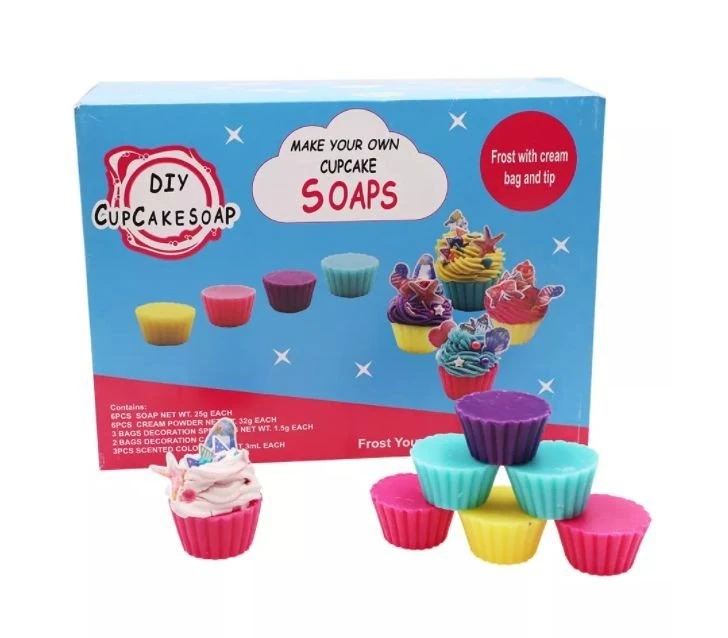
At our company, we offer a wide range of Diy Bath Soap and Soap Making Kit products. Our soaps are carefully formulated to have an optimal pH level, ensuring that they are gentle and effective for all skin types.
Our DIY soap kits come with everything you need to make your own soap at home, including high - quality fats and oils, alkali, and detailed instructions. We also provide tips on how to test and adjust the pH of your soap to ensure the best results.
Contact Us for Procurement
If you are interested in purchasing our DIY soap products or have any questions about our offerings, we would love to hear from you. Whether you are a small business looking to stock our products or an individual interested in making your own soap, we are here to assist you. Contact us to start a procurement discussion and find out how our high - quality DIY soap products can meet your needs.
References
- "The Chemistry of Soap Making" by Anne-Marie Faiola
- "Soap Crafting for Beginners" by Jan Berry
- "Skin Physiology and pH" in Journal of Dermatological Science