

How does soap work on a molecular level?
Jul 22, 2026
Soap has been a staple in personal hygiene for centuries, but have you ever wondered how it works on a molecular level? As a soap supplier, I'm here to delve into the fascinating science behind this everyday essential. Understanding the molecular mechanisms of soap not only satisfies our curiosity but also helps us appreciate its effectiveness in keeping us clean and healthy.
The Molecular Structure of Soap
Soap is typically made through a process called saponification, which involves the reaction of fats or oils with an alkali, usually sodium hydroxide (NaOH) for bar soaps or potassium hydroxide (KOH) for liquid soaps. The fats and oils are composed of triglycerides, which are esters of glycerol and fatty acids. During saponification, the triglycerides react with the alkali to form glycerol and soap molecules.
The soap molecules have a unique structure that consists of a hydrophilic (water-loving) head and a hydrophobic (water-repelling) tail. The hydrophilic head is usually a carboxylate group (-COO⁻) that is negatively charged and can interact with water molecules through hydrogen bonding. The hydrophobic tail is a long hydrocarbon chain that is nonpolar and does not interact well with water.
How Soap Removes Dirt and Grease
The key to soap's cleaning power lies in its ability to emulsify and solubilize dirt and grease. When soap is added to water, the hydrophilic heads of the soap molecules are attracted to the water molecules, while the hydrophobic tails are repelled by the water. This causes the soap molecules to arrange themselves in spherical structures called micelles, with the hydrophobic tails pointing towards the center of the micelle and the hydrophilic heads facing the water.
When soap is applied to a dirty surface, the hydrophobic tails of the soap molecules are attracted to the dirt and grease, which are also nonpolar. The soap molecules surround the dirt and grease particles, forming a layer of soap around them. The hydrophilic heads of the soap molecules then interact with the water, allowing the dirt and grease particles to be suspended in the water and washed away.
The Role of Soap in Breaking Surface Tension
Another important property of soap is its ability to reduce the surface tension of water. Surface tension is the force that causes the surface of a liquid to contract and form a cohesive film. Water has a relatively high surface tension, which makes it difficult for it to spread and penetrate into small spaces.
Soap molecules can disrupt the surface tension of water by adsorbing at the water-air interface. The hydrophobic tails of the soap molecules are oriented towards the air, while the hydrophilic heads are oriented towards the water. This reduces the cohesive forces between the water molecules, allowing the water to spread more easily and penetrate into small spaces.
The Importance of pH in Soap
The pH of soap is an important factor that can affect its effectiveness and safety. Soap is typically alkaline, with a pH ranging from 9 to 10. This alkalinity helps to break down the fats and oils on the skin and hair, making them easier to remove. However, if the pH of the soap is too high, it can cause irritation and dryness to the skin.
To ensure that the soap is gentle on the skin, many soap manufacturers add ingredients such as glycerin, shea butter, or aloe vera to the soap. These ingredients help to moisturize the skin and reduce the irritation caused by the alkaline soap.
Different Types of Soap and Their Molecular Properties
There are many different types of soap available on the market, each with its own unique molecular properties. Some of the most common types of soap include:
- Bar Soap: Bar soap is the most traditional type of soap and is typically made from natural fats and oils. Bar soap is usually solid at room temperature and has a relatively high pH.
- Liquid Soap: Liquid soap is a more modern type of soap that is typically made from synthetic detergents. Liquid soap is usually more convenient to use than bar soap and has a lower pH, making it gentler on the skin.
- Antibacterial Soap: Antibacterial soap contains ingredients such as triclosan or benzalkonium chloride that are designed to kill bacteria. Antibacterial soap is often used in healthcare settings to prevent the spread of infection.
- Natural Soap: Natural soap is made from natural ingredients such as plant oils, herbs, and essential oils. Natural soap is often considered to be more environmentally friendly and gentle on the skin than synthetic soap.
Our Soap Products
As a Wholesale Bath Soap Manufacturer, we offer a wide range of high-quality soap products that are designed to meet the needs of our customers. Our soap products are made from natural ingredients and are free from harsh chemicals and synthetic fragrances.
One of our most popular products is the Tea Tree Oil Shampoo Bar. Tea tree oil is a natural antiseptic and anti-inflammatory agent that can help to reduce dandruff and scalp irritation. Our tea tree oil shampoo bar is made from natural ingredients such as coconut oil, olive oil, and shea butter, and is gentle on the hair and scalp.
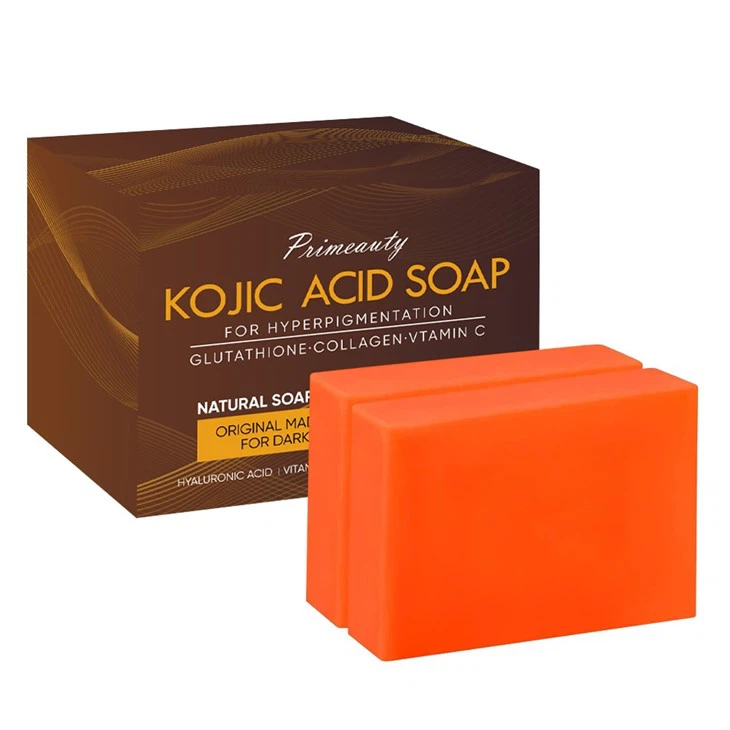
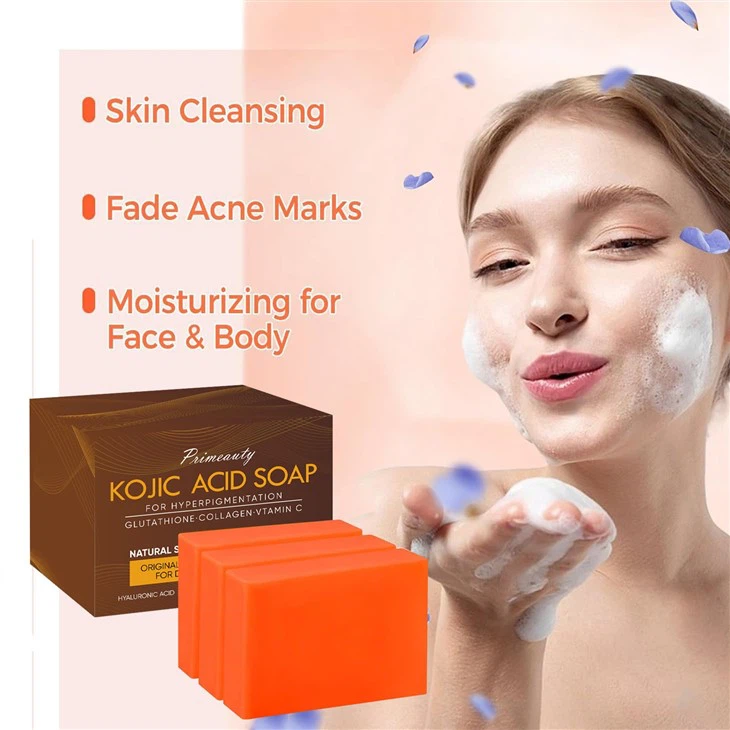
Another popular product is the Kojic Acid Soap Bar. Kojic acid is a natural skin lightening agent that can help to reduce the appearance of dark spots and hyperpigmentation. Our kojic acid soap bar is made from natural ingredients such as coconut oil, palm oil, and kojic acid, and is gentle on the skin.
Contact Us for Purchasing
If you are interested in purchasing our soap products, please contact us for more information. We offer competitive prices and excellent customer service, and we are committed to providing our customers with the highest quality soap products.
References
- Atkins, P. W., & de Paula, J. (2014). Physical Chemistry (10th ed.). Oxford University Press.
- Chang, R. (2010). Chemistry (10th ed.). McGraw-Hill.
- Moore, J. W., Stanitski, C. L., & Jurs, P. C. (2011). Chemistry: The Molecular Science (4th ed.). Cengage Learning.